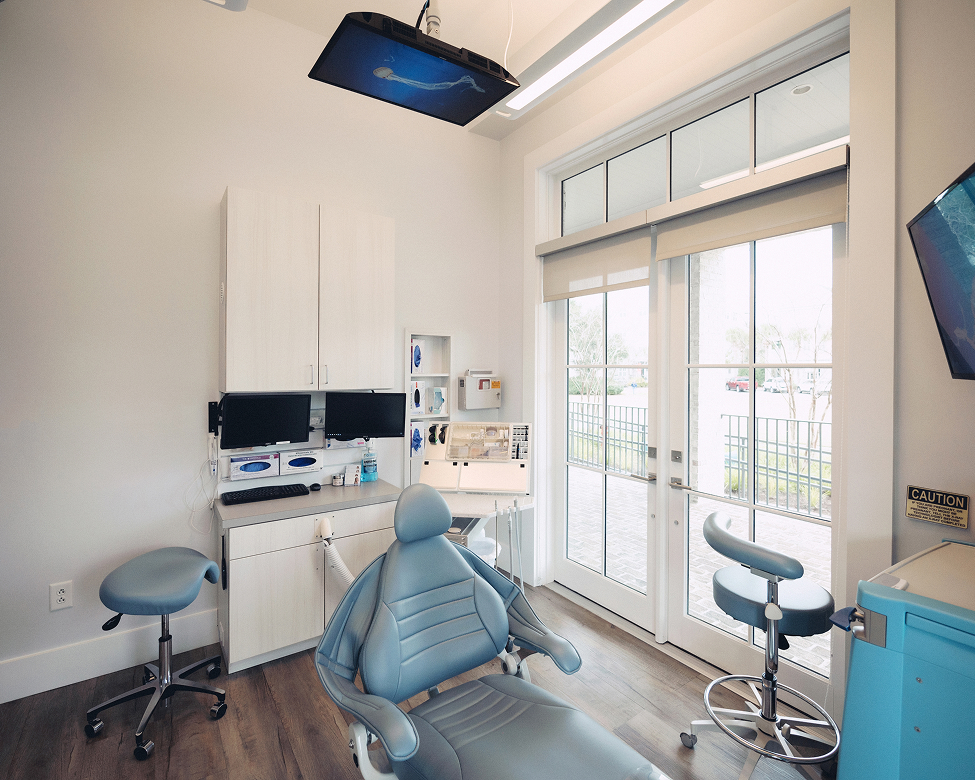
A root canal is a routine procedure that removes infected or inflamed pulp from inside a tooth, cleans and seals the canals, and lets you keep your natural tooth. With modern anesthesia it feels much like getting a filling. Most visits take one to two appointments, and most patients are back to normal routines the next day.
Why Would a Tooth Need a Root Canal?
Every tooth has a soft core called the pulp, made of nerves, blood vessels, and connective tissue. When deep decay, a crack, or an injury lets bacteria reach that inner chamber, the pulp becomes inflamed or infected. The body cannot clear an infection that is sealed inside a tooth, so the problem does not go away on its own, even if the pain comes and goes.
The signs patients usually notice first are a toothache that lingers or throbs, sensitivity to hot or cold that stays for minutes after the drink is gone, pain when biting down, a tooth that has turned gray or darker than its neighbors, or a small bump on the gum near one tooth. Sometimes the cause is an old injury, such as a fall or a sports hit years ago, that slowly damaged the pulp without any obvious symptoms at the time. Some infected teeth cause no pain at all and only show up on X-rays during a checkup, which is one reason routine exams through our family dentistry visits matter. If you notice swelling in your face or jaw, that is a reason to call the same day rather than wait.
How Do We Confirm You Need One?
The visit starts with an exam and imaging. At River Landing Dentistry we use pain-free digital X-rays and high-definition 3D imaging, which shows the shape of the roots, the number of canals, and how far an infection has spread into the surrounding bone. That picture matters because molars can have three or four canals, and planning for each one is what makes the treatment last.
We also test how the tooth responds to temperature and pressure. Sometimes the answer is a simpler fix, such as a filling or a crown. When the pulp is damaged beyond repair, our doctors will walk you through root canal therapy and the alternatives so the choice is yours.
What Happens During the Procedure?
The first step is comfort. We numb the tooth and the surrounding gum thoroughly with local anesthetic and wait until it has fully taken effect. For patients who feel anxious about dental work, we offer sedation options ranging from nitrous oxide to oral and IV sedation, and our team holds IV sedation certification. You should feel pressure and hear the instruments, but not pain.
Next, a small protective sheet called a dental dam is placed around the tooth. It keeps the area dry and clean and stops anything from falling into the back of your mouth. Your dentist then makes a small opening in the top of the tooth to reach the pulp chamber.
Through that opening, the infected or inflamed tissue is removed from the chamber and from each root canal. The canals are then cleaned, shaped, and disinfected with fine instruments and rinsing solutions. This is the longest part of the visit and the most important, because any bacteria left behind can cause trouble later. Our team takes its time here rather than rushing.
Once the canals are clean and dry, they are filled with a rubber-like, biocompatible material called gutta-percha and sealed so bacteria cannot get back in. A temporary filling closes the opening on top until the tooth is ready for its final restoration.
How Long Does a Root Canal Take, and Does It Hurt?
A front tooth with a single canal is often finished in one visit. A molar with several curved canals, or a tooth with an active infection, may need a second appointment so medication can work inside the tooth between visits. Either way, the time in the chair is spent mostly lying back while the canals are cleaned.
As for pain, the procedure’s reputation is far worse than the reality. The toothache that brings people in is caused by the infection, and the treatment is what ends it. Many of our patients tell us afterward that it felt like getting a filling. The short comparison below shows how the experience differs from what people often picture.
| Root canal + crown | Extraction + replacement tooth | |
|---|---|---|
| Keeps your natural tooth | Yes | No |
| Typical visits | 1–2 visits, then a crown | Several visits over a few months if an implant follows |
| Comfort during treatment | Numbed fully; sedation available | Numbed fully; sedation available |
| Downtime | Usually back to routine the next day | A few days of healing, longer if a graft or implant is needed |
| Effect on jawbone | Natural root keeps stimulating the bone | Bone starts to shrink where the root is gone |
| Long-term outlook | Treated teeth can last a lifetime once properly restored | Depends on the replacement chosen |
What Is Recovery Like Afterward?
Once the numbness wears off, the tooth and gum may feel tender for a few days, especially when you bite. That soreness comes from the tissues around the root settling down, and over-the-counter pain relievers usually handle it. Chew on the other side until the permanent restoration is in place, since the temporary filling is not built for hard foods.
Keep brushing and flossing normally, including around the treated tooth. If pain gets worse instead of better after a few days, if swelling returns, or if the temporary filling comes out, call us. Those are not common, but they are worth a quick check.
Why Do Most Teeth Need a Crown After a Root Canal?
A tooth that has had a root canal no longer has a living pulp, and the opening plus the original decay often leaves the walls thinner. Back teeth in particular take heavy chewing forces, and without protection they can crack. A dental crown covers and strengthens the tooth so it can work normally for years.
Our doctors handle crowns as part of our restorative dentistry care in-house, so you will not be sent elsewhere. With E4D CAD/CAM technology, many restorations are designed and milled right in our office. Your dentist will tell you whether your tooth needs a full crown or whether a smaller restoration is enough.
If a tooth cannot be saved, removing it and replacing it with a dental implant is the usual next option. When a tooth can be saved, though, keeping it is almost always the better choice, which is why we look at root canal therapy first.
Frequently Asked Questions
Can I drive myself home after a root canal?
If you only had local anesthetic, yes. If you chose oral or IV sedation, you will need a trusted adult to drive you home and stay with you while it wears off.
Can I go back to work the same day?
Most people can, as long as no sedation was used. Your lip and cheek may stay numb for a few hours, so plan meals around that.
What if I put off the treatment?
An infection inside a tooth tends to spread to the bone and nearby teeth. Waiting can turn a saveable tooth into one that needs to be removed, so it is worth getting it checked promptly.
Does insurance cover a root canal?
Many dental plans include some coverage for root canal therapy. Our team accepts most insurance plans, offers flexible financing, and will help you understand your benefits before treatment.
Schedule a Root Canal Evaluation
A tooth that aches, lingers with sensitivity, or has changed color deserves a look sooner rather than later. At River Landing Dentistry, our goal is to treat every patient the way we would want our own family treated, explain every step, and keep you comfortable throughout. Request an appointment with one of our doctors, and we will help you find out whether your tooth can be saved.